

In today's digital age, securing your online presence is more important than ever. With increasing concerns about privacy and data breaches, many individuals are turning to Virtual Private Networks, or VPNs, to help protect their internet activities. But for beginners, the world of VPNs can seem overwhelming, especially when it comes to finding an affordable option that still provides reliable security features. Luckily, this guide will walk you through everything you need to know about selecting and connecting to a VPN that suits your budget.
Learning how to connect to a VPN not only enhances your online security but also opens up a safer browsing experience. Whether you want to access restricted content, protect sensitive information from prying eyes, or simply enjoy peace of mind while surfing the web, understanding how to install and utilize a VPN app is essential. In this guide, you will discover practical steps to install a budget-friendly VPN, ensuring you can safeguard your online activities without breaking the bank.
Understanding VPN Security
A Virtual Private Network, or VPN, is a powerful tool designed to enhance your online security and privacy. By creating a secure, encrypted tunnel between your device and the internet, a VPN shields your data from potential threats such as hackers and malicious entities. This feature is crucial, especially when using public Wi-Fi networks, where your information can be easily compromised. Understanding how VPNs work enables you to make informed decisions about your online safety.
VPN security relies on encryption protocols that protect your data while it travels over the internet. Different VPN providers use various encryption standards, with some employing strong protocols like OpenVPN, IKEv2, or the modern WireGuard. The level of encryption impacts both your security and browsing speed, so it's essential to choose a VPN that balances these aspects effectively. Knowing which protocols are most secure helps you select a VPN provider that meets your needs without breaking the bank.
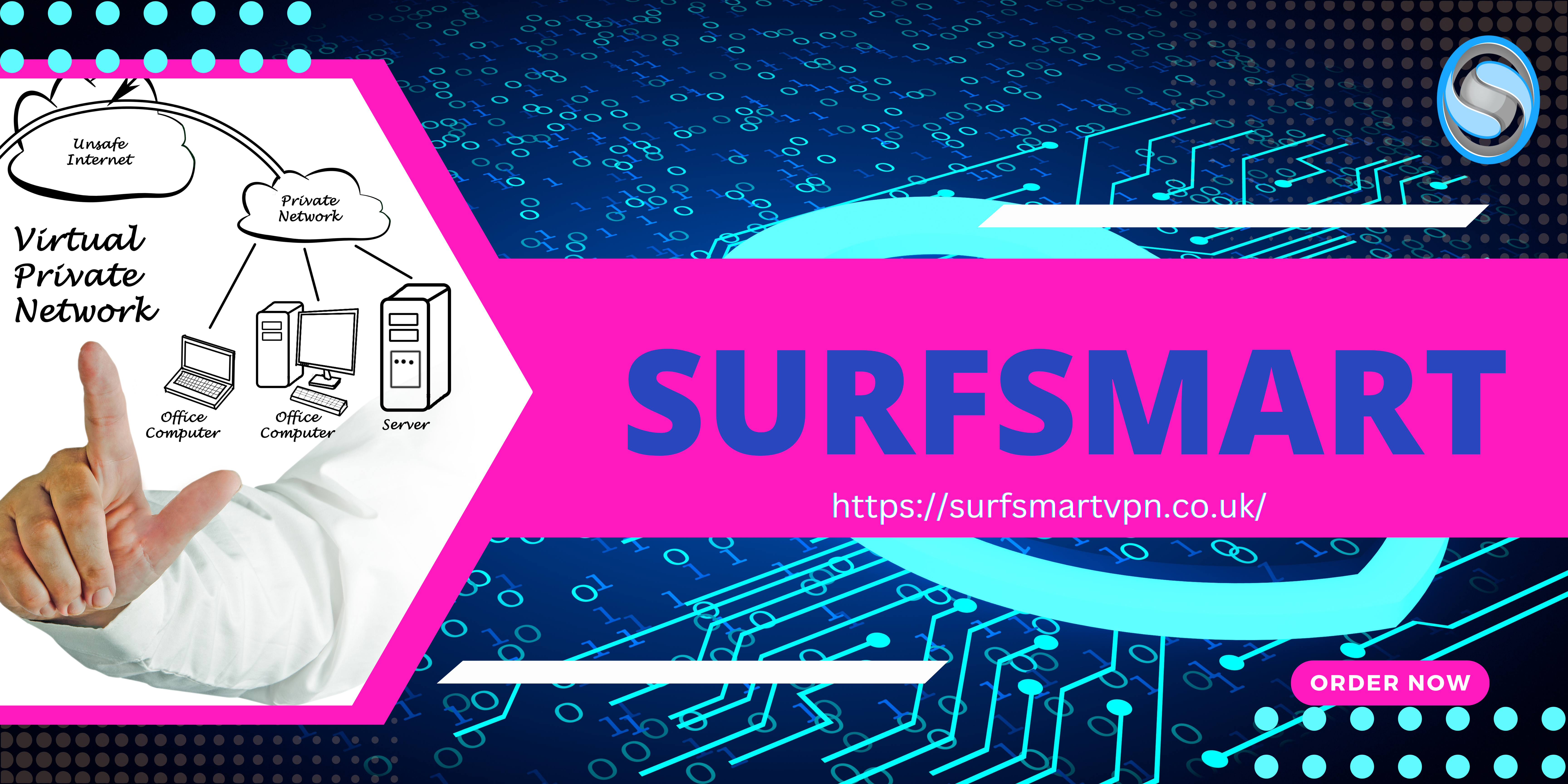
In addition to encryption, VPNs offer features such as kill switches and DNS leak protection, which further enhance your overall security. A kill switch ensures that your internet connection is instantly terminated if the VPN connection drops, preventing exposure of your data. DNS leak protection safeguards your web traffic from being exposed to your Internet Service Provider. Familiarizing yourself with these features not only empowers your online presence but also reinforces the importance of choosing an affordable VPN that prioritizes security without compromising on essential functionalities.
Benefits of Using a VPN
Using a VPN provides enhanced security for your online activities by encrypting your internet connection. This encryption ensures that your data is protected from prying eyes, whether you're using public Wi-Fi or a private network. With https://surfsmartvpn.co.uk/vpn-security-guide/ , your personal information, passwords, and sensitive data are shielded from hackers and other malicious entities, making it a vital tool for maintaining your online privacy.
Another significant benefit of using a VPN is the ability to bypass geo-restrictions. Many websites and streaming platforms limit access based on your geographic location. A VPN allows you to connect to servers in different countries, enabling you to access content that may be unavailable in your region. This capability not only enhances your browsing experience but also ensures you can access various online resources freely.
Finally, a VPN can improve your online anonymity. By masking your IP address, a VPN makes it difficult for websites and advertisers to track your browsing habits. This added layer of privacy is essential in today’s digital environment, where data collection and tracking are pervasive. With a VPN, you can enjoy a more secure and private internet experience, all while staying within your budget.
Choosing the Right VPN Service
When selecting a VPN service, it is essential to assess what features matter most to you while keeping your budget in mind. Start by considering the level of security each provider offers. Look for VPNs that include strong encryption protocols like OpenVPN or WireGuard, as well as additional privacy features such as a no-logs policy. These elements are crucial to ensuring that your online activities are kept private and secure from prying eyes.
Next, think about the usability and compatibility of the VPN app. A good VPN should have a user-friendly interface and be compatible with various devices, such as smartphones, tablets, and desktop computers. Read user reviews and check for guides on how to install the VPN app, as these resources can make the setup process easier. Make sure to choose a service that provides reliable customer support in case you encounter any issues during installation or usage.
Lastly, compare the pricing plans of different VPN providers to find one that fits your budget. Many reputable companies offer affordable options with excellent features. Look for deals and discounts, as some VPNs provide special promotions that make their service even more accessible. Take your time to research and find a balance between cost and the security features you need for safe browsing and online privacy.
How to Connect to a VPN
Connecting to a VPN is a simple process that can greatly enhance your online security and privacy. First, you need to sign up for a VPN service that fits your budget while offering reliable features. Look for services that provide secure encryption, have a good reputation, and are user-friendly. Once you’ve chosen your VPN, go to their website and create an account.
After signing up, you will typically need to download the VPN application to your device. Most VPN providers offer apps for various platforms, including Windows, macOS, Android, and iOS. Follow the instructions provided on their website to download and install the app. This process usually involves clicking a download link and following the on-screen prompts to complete the installation.
Once the app is installed, launch it and log in using your account credentials. You will usually see a list of available servers to connect to. Select a server based on your needs, such as location or speed, and click the connect button. Once connected, your internet traffic will be secured, and you can browse freely, knowing your online activities are protected.
Installing the VPN App
To install a VPN app, the first step is to choose a reliable provider that fits your budget. Research various options and look for features such as strong encryption, a no-logs policy, and user-friendly interfaces. Many affordable VPN services offer free trials or money-back guarantees, allowing you to test their performance before committing. Once you've made your choice, visit the provider's official website or your device's app store to download the app.
After downloading, open the installer or app and follow the on-screen instructions to set it up on your device. Most VPN installations are straightforward, requiring minimal configuration. You may be asked to create an account or log in if you already have one. Make sure to grant any necessary permissions for the app to function correctly, such as access to your internet connection.
Once installed, open the VPN app and connect to a server. Usually, you can select from a list of locations based on your needs, such as accessing content available in specific regions. After connecting, you'll notice that your internet connection is now secured, providing an added layer of privacy and protection while browsing the web. Regularly check for updates to ensure you have the latest security features and optimizations.
Configuring VPN Settings
Once you have installed your budget-friendly VPN app, the next step is to configure its settings to ensure you get the most out of your service. Start by opening the app and navigating to the settings menu. Here, you will find various configuration options, such as the protocol settings, which dictate how data is transmitted. Opt for protocols that offer a good balance between speed and security, such as OpenVPN or IKEv2, to enhance your online protection.
Another critical setting to consider is the kill switch feature. This tool automatically disconnects your internet if the VPN connection drops, preventing any accidental exposure of your online activities. Make sure to enable this feature if your VPN service provides it, as it adds an extra layer of security, especially when using public Wi-Fi networks. Explore other options like DNS leak protection, which ensures your browsing data stays private even if there are potential leaks.
Finally, be sure to check the server selection within the app. Many VPNs allow you to choose servers based on your needs, whether it's accessing content from a specific region or optimizing for speed. Select a server that fits your requirements while keeping an eye on latency to maintain a fast connection. Once you have configured these settings, you are ready to experience secure browsing without breaking the bank.
Common VPN Issues and Solutions
One common issue users face when connecting to a VPN is slow internet speeds. This can happen due to various factors such as server distance, server load, or encryption overhead. To resolve this issue, try connecting to a server that is closer to your location, as it usually provides better speed. Additionally, switching to a different server or using a less congested one can improve performance. Some VPNs also offer options to optimize speed, so check the settings for any features that may help.
Another frequent problem is connection failures. This often occurs if the VPN app isn't configured correctly or if there are firewall settings interfering with the connection. To troubleshoot, ensure that you have entered the right login credentials and that the VPN is set to the appropriate protocol. If you continue to experience issues, temporarily disabling your firewall or antivirus software can help determine if they are causing the problem.
Finally, users may encounter difficulties accessing certain websites or services while connected to a VPN. This can be attributed to geo-restrictions or the VPN being detected and blocked by the site. To overcome this, consider changing your VPN server to one located in a different region. Some VPN services also offer features like obfuscation that can help mask your VPN traffic, making it less likely to be detected. It's essential to choose a reliable VPN provider that consistently updates its servers to bypass these restrictions.
Cost-Effective VPN Options
Finding a budget-friendly VPN service does not mean sacrificing security or privacy. There are several affordable options available that provide reliable encryption and essential features without breaking the bank. Look for services that offer a clear pricing structure and multiple subscription plans, often with significant discounts for long-term commitments. Many reputable providers offer yearly plans that can reduce the overall cost significantly compared to monthly subscriptions.

In addition to cost, consider what features are essential for your online activities. Some VPNs come with built-in ad blockers, malware protection, or a no-logs policy, which can enhance your browsing experience and security. Read user reviews and expert recommendations to determine which services provide the best balance between price and functionality. Remember that the cheapest option may not always offer the best protection, so make sure to evaluate based on your specific needs.
Many VPN providers also offer free trials or money-back guarantees, allowing you to test their services before committing financially. Take advantage of these offers to see if a particular VPN meets your expectations in terms of speed, usability, and customer support. This approach can help you confidently choose an affordable VPN that suits your lifestyle while ensuring your online security remains intact.
Maintaining Your Online Security
To ensure your online security remains robust, it's essential to regularly update your VPN app. Developers frequently release updates to address security vulnerabilities, improve performance, and enhance features. By keeping your app up to date, you protect yourself from potential threats that could exploit outdated software. Make checking for updates a routine part of your internet safety practices.
Another key aspect of maintaining your security is to review your VPN settings periodically. Most VPNs offer various options to enhance privacy, such as enabling a kill switch, which blocks internet access if the VPN connection drops. Additionally, consider altering your server locations and protocols as needed to find the best balance between speed and security. Taking the time to adjust your settings ensures that you're using your VPN to its full potential.
Lastly, remain vigilant about your overall online behavior. Even with a VPN, it is crucial to practice safe browsing habits. Avoid clicking on suspicious links, steer clear of untrustworthy websites, and be cautious with the information you share online. While a VPN provides valuable protection, your personal actions play a significant role in maintaining your online security. Stay informed and conscious of your digital habits to complement the protective measures of your VPN.
Conclusion: Your VPN Journey
As you embark on your journey toward enhanced online security, choosing the right VPN is crucial. By understanding how to connect to a VPN, you empower yourself to protect your personal information while browsing the internet. Remember, affordable options are available that don’t compromise on essential security features. Your privacy matters, and with the right tools, you can safeguard it without stretching your budget.
Installing the VPN app is a straightforward process, especially with user-friendly interfaces provided by many affordable services. Following our guidance will make the installation smooth, allowing you to quickly set up and connect to the VPN of your choice. Once it's up and running, you can enjoy secure, anonymous browsing and peace of mind knowing your data is protected.
Finally, learning to navigate the world of VPNs is an invaluable skill in today's digital landscape. Whether for streaming content, securing public Wi-Fi usage, or maintaining your privacy, knowledge is your best defense. With the information in this guide, you are now equipped to make informed decisions and explore online with confidence, all while keeping your expenses in check.